 When severe weather is in the forecast, most people think about batteries, groceries, and flashlights. For private well owners, water access and wastewater planning should be some of the first items on the checklist.
Most private wells rely on electricity, so power outages can quickly leave a household without running water for drinking, cooking, bathing, flushing toilets, and caring for pets. Septic systems can also be affected during storms, especially when the ground becomes saturated or flooding occurs.
Simple steps taken before the weather turns bad can help protect both your water supply and your wastewater system.
Fill Clean Containers Before the Power Goes Out
Most private wells rely on electricity, so losing power may also mean losing access to running water for drinking, cooking, cleaning, flushing toilets, and caring for pets or livestock. One of the simplest and most important things private well owners can do before a storm or power outage is fill clean containers with water while the well system is still operating normally.
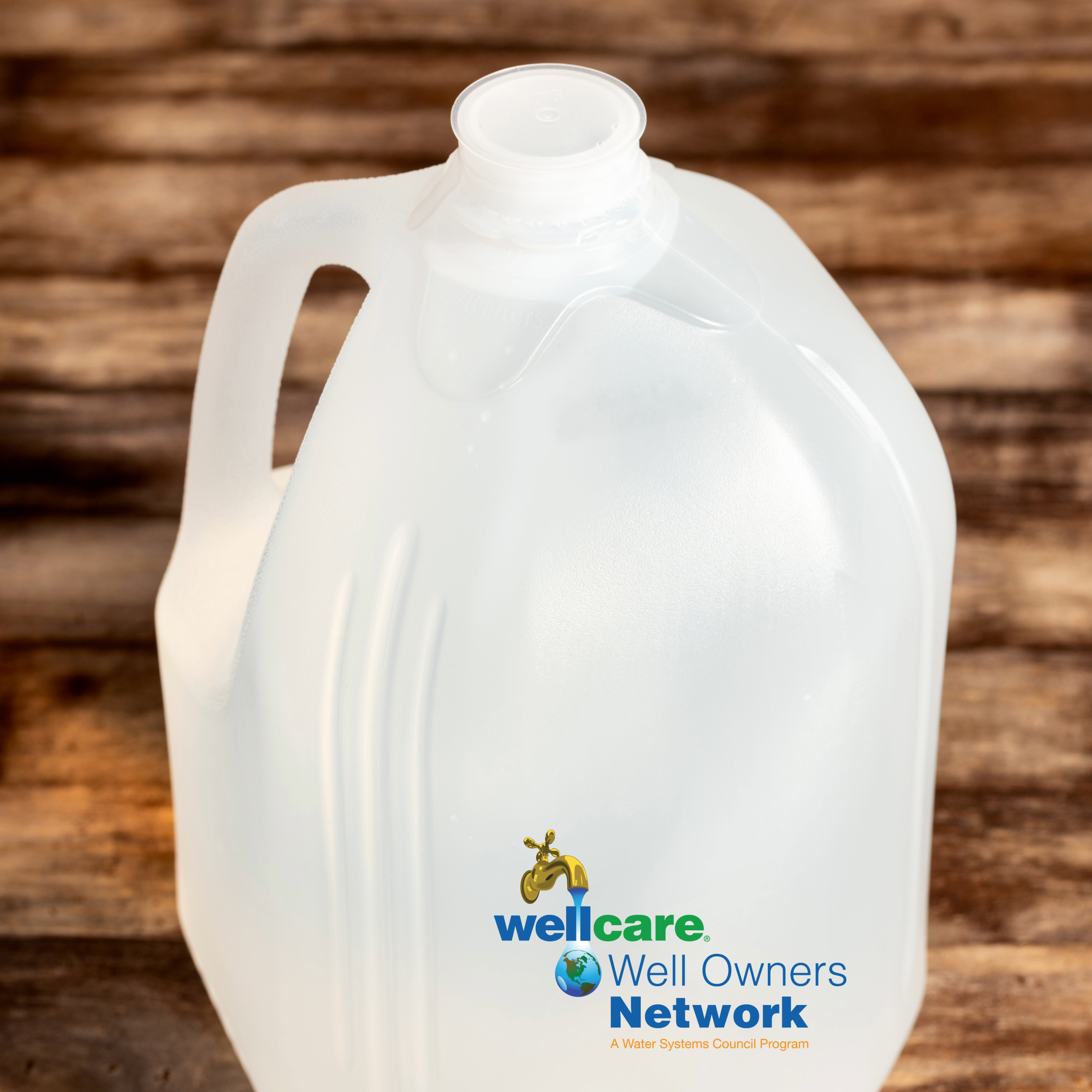
Good water storage options include:
- Food-grade water jugs
- Clean pitchers or beverage dispensers
- Bathtubs for sanitation water
- Reusable water containers
Store drinking water separately from water intended for cleaning or flushing toilets to help protect your safe drinking water supply during emergencies. Drinking and cooking water should stay as clean and protected as possible, while water used for flushing toilets, cleaning, or washing does not need to meet the same standard. Separating them helps prevent accidentally using contaminated or lower-quality water for drinking and ensures the safe water supply lasts longer.
Emergency management agencies commonly recommend storing at least one gallon of water per person per day for several days. Be sure to include enough water for pets, livestock, medications, and other household needs. Even if you have a backup plan such as a generator, hand pump, or storage tank, keeping emergency drinking water on hand is still important.
Stored water should:
✔️ Be kept in clean, food-grade containers
✔️ Be stored away from chemicals or fuel
✔️ Be replaced periodically
✔️ Remain tightly sealed
Tip: Avoid storing water in containers that previously held chemicals, cleaners, or nonfood products.
Know Your Well & Septic System
Many homeowners do not think about their well or septic system until something goes wrong. Taking a few minutes now to understand both systems can make a difference during a storm or outage.
Take time this summer to:
✔️ Locate your pressure tank and well controls
✔️ Learn how to safely shut off power to the well
✔️ Know where your septic tank and drain field are located
✔️ Avoid driving, parking, or placing heavy items over the septic system area
✔️ Check your well cap for damage or loose fittings
✔️ Keep contractor and emergency contact numbers accessible
Heavy rain or flooding can place added stress on septic systems, so reducing water use during and immediately after storms can help prevent overload while conditions stabilize.
Reach out to your licensed well or septic professional or the wellcare® Hotline with any questions.