Kidz Korner: 👨‍👩‍👧‍👦 Make Preparedness a Family Activity

Preparedness is a family effort, and kids can help too. Involving children in simple emergency planning ahead of time can help them feel more comfortable, confident, and less afraid if severe weather or power outages happen.

Kid-Friendly Ways to Help

Children can:

🔦 Check flashlights and batteries

💧 Help fill emergency water containers

📦 Assist with building a family emergency kit

🚰 Practice turning off faucets to conserve water

📞 Learn important emergency phone numbers

🧹 Help keep the area around the well clean and clear

Parents can also remind children:

⚠️ Never play in floodwater

⚡ Never touch damaged electrical equipment

👂 Report unusual water smells, sounds, or changes to an adult

Tip: Our infographic may even help make it a little fun. Download our Emergency Kit Essentials list here.

Hotline🔥Hot🔥Topic: Your “Uh Oh, The Power’s Out” Checklist!

This isn’t your typical Hotline Hot Topic…but summer storms are unpredictable. So before the next storm starts rolling in, take a quick minute to run through this checklist. Future you will be very glad you checked a few of these off before the weather forecast starts getting interesting!

Private Well Emergency Checklist

☐ Fill clean water jugs for drinking water

☐ Keep batteries, flashlights, and first aid supplies ready

☐ Inspect the well cap and casing regularly

☐ Keep fuel, chemicals, and debris away from the well

☐ Learn how to safely shut off power to the well

☐ Prepare for extended power outages

☐ Consider backup water options like hand pumps or storage tanks

☐ Make a “Go Bag”

☐ Keep emergency contact numbers accessible

☐ Update your family emergency plan regularly – Download our complete guide here.

Tip: This list might come in handy someday, so stash it in your save for later folder! 😉

🧪 Water Testing After Emergencies

After storms, flooding, power outages, or other disasters, one of the most important things well owners can do is test their water before returning to normal use.

Even if your water looks clear, smells normal, and tastes fine, contamination can still be present. Floodwater and storm runoff may carry bacteria, chemicals, sewage, fuel, and debris into groundwater and private wells without obvious warning signs.

Water testing is recommended after:

🌊 Flooding or standing water near the well

🌩️ Major storms or hurricanes

⚡ Extended power outages

🔧 Well repairs, maintenance, or disinfection

If you notice cloudy water, sediment, unusual tastes or odors, sputtering faucets, or sudden pressure changes, contact a licensed well contractor and certified water testing laboratory promptly. You can find a list of these resources for your area by using our interactive map.

Tip: Even without emergencies, annual water testing is one of the best ways to help protect your household water supply and monitor changes in water quality over time.

Click here to read more information on Water Testing.

🌪️ What to Watch For After the Storm

Your Well & Septic Systems May Need Attention Even If Everything Looks Fine

Once the storm passes and the cleanup begins, it is important not to overlook your well or septic system. Even if your water appears normal and everything seems to be working, hidden damage or contamination may still exist underground or within either system.

Flooding, hurricanes, tornadoes, severe storms, and even earthquakes can affect:

💧 Water quality

🔧 Pump systems

⚡ Electrical components

🚰 Pressure tanks and underground pipes

🪨 Well casings and seals

🚽 Septic systems and drain fields

Septic systems can be especially vulnerable after storms when soils become saturated or flooding occurs, which may reduce their ability to properly treat wastewater and increase the risk of backups or system stress. Sometimes the signs are obvious, but other times problems may not appear until days later.

After Flooding

Floodwater can carry bacteria, chemicals, sewage, fuel, debris, and sediment that may enter your well system and contaminate groundwater.

If flooding occurred near your well:

❌ Do not drink the water until the system has been inspected and tested

❌ Do not turn on flooded electrical equipment; there is risk of shock

❌ Do not assume clear water is safe water

If floodwater has reached the well area, contact a licensed well contractor as soon as possible.

If your septic system was affected by flooding:

❌ Avoid using heavy water loads such as laundry or long showers until the system recovers

❌ Do not pump the septic tank while the ground is still saturated

❌ Watch for sewage odors, slow drains, or wet areas over the drain field

Contact a licensed septic professional if you have backups or standing water.

After Tornadoes or Severe Storms

Strong winds, lightning strikes, fallen trees, flying debris, and power surges can all damage well equipment.

Watch for warning signs such as:

⚠️ Sudden drops in water pressure

⚠️ Cloudy, muddy, or sandy water

⚠️ Air sputtering from faucets

⚠️ Exposed wiring or a damaged wellhead

⚠️ Pump issues after power outages

Septic systems can also be impacted if heavy rain or debris affects drain fields or if power outages disrupt connected components. Slower drains or unusual odors may be signs that the system is under strain.

Contact your licensed well and septic professionals immediately if you have any concerns about your systems.

After Earthquakes

Earthquakes and ground movement can crack well casings, shift underground pipes, and disturb groundwater conditions, even when no surface damage is visible.

The wellcare® Hotline has received calls from homeowners experiencing well issues up to two years after an earthquake occurred. Changes underground can sometimes take time to affect water quality or well performance.

If significant seismic activity occurs in your area, consider having your well system professionally inspected before returning to normal use, especially if you notice changes in water pressure, sediment, or water clarity.

Likewise, septic systems may also be affected by shifting soils or pipe movement, so it is important to watch for changes in drainage or signs of system stress. Contact a licensed septic professional before returning the system to normal use if you notice backups, slow drains, odors, or standing water.

👉 Yes, we may sound like a broken record, but we cannot stress this enough. Do not attempt repairs on your own. Private well and septic systems can pose serious safety risks, especially after flooding or damage from natural disasters, and all repairs should be handled by a licensed professional.

For additional guidance and resources, visit our dedicated Emergencies web page.

The wellcare® Hotline can also help! Our friendly staff members are available to answer your questions and provide you with any information you need to maintain a safe water supply and wastewater system. Contact us by calling 888-395-1033 or chat with us live at wellcarehotline.org.
🖐️Hand Pumps, Generators & Emergency Planning

During long power outages, having a backup plan for water access can make a stressful situation much more manageable. Since most private wells rely on electricity to operate, losing power often means losing running water too.

Some homeowners choose to install:

🔋 Backup generators

🚰 Water storage tanks

🖐️ Manual hand pumps designed for wells

☀️ Solar backup systems

A properly installed hand pump may allow homeowners to access groundwater even when electricity is unavailable. Hand pumps can be especially valuable in rural areas where storm recovery and power restoration may take longer after severe weather.

Backup generators can also help keep well systems operating during outages, but proper sizing and installation are important. Not all generators are designed to handle the startup demands of well pumps and pressure systems.

If you are considering a hand pump, generator, or backup water system, contact a licensed well contractor to help determine the proper sizing, compatibility, and installation for your specific well system and household needs.

Keep Emergency Supplies Together

Before a storm arrives, having a few basic supplies ready can make emergencies feel much more manageable. Keeping everything in one easy-to-find location can save valuable time and help your household stay more comfortable during power outages or severe weather.

Create a dedicated emergency area in your home with:

🔦 Flashlights and extra batteries

🔋 Portable chargers or battery packs

🩹 First aid supplies

🧻 Sanitation and hygiene items

📻 Battery-powered weather radio

⚠️ Unscented household bleach for emergency disinfection guidance

Protect Important Records

When severe weather hits, it’s easy for important paperwork and contact information to get overlooked. Taking a few minutes now to organize well records and emergency contacts can help make cleanup, repairs, and recovery much smoother later.

Keep copies of:

📄 Well construction records

🧪 Water testing reports

🔧 Pump and maintenance information

📞 Emergency contractor contacts

⚡ Generator instructions and other manuals

Tip: Store records in waterproof containers or backed up digitally if possible.

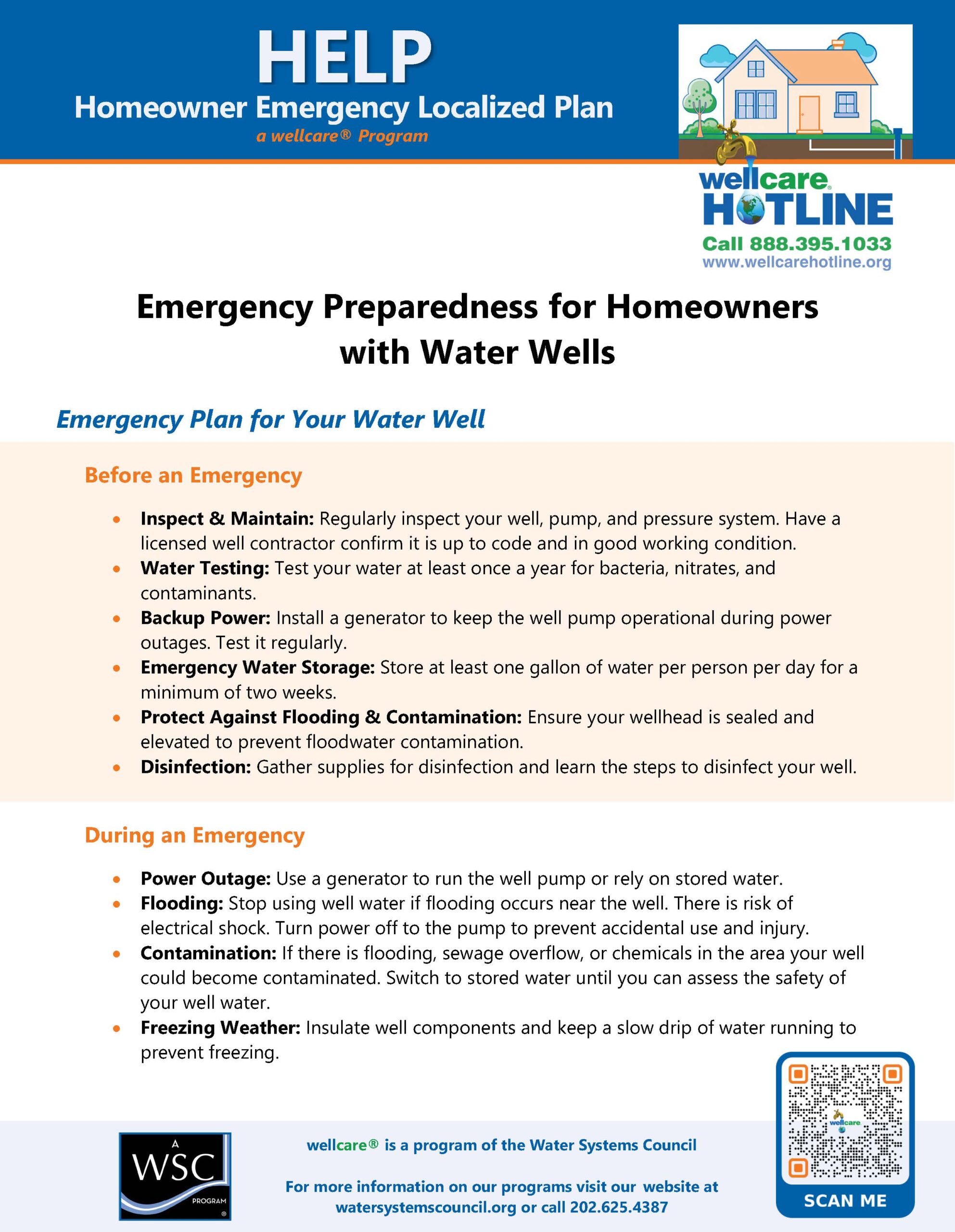
To help homeowners stay organized and prepared, wellcare® also offers the HELP: Homeowner Emergency Localized Plan. This printable resource includes space for emergency contacts, local resources, and planning information specific to your household. It also includes a quick-reference Emergency Kit Essentials infographic that can be kept on your refrigerator or stored with your emergency supplies for easy access during storms and outages.

🔗 Download the HELP plan and infographic from our website

⛈️ Storm Readiness for Wells, Septic & Emergency Water

When severe weather is in the forecast, most people think about batteries, groceries, and flashlights. For private well owners, water access and wastewater planning should be some of the first items on the checklist.

Most private wells rely on electricity, so power outages can quickly leave a household without running water for drinking, cooking, bathing, flushing toilets, and caring for pets. Septic systems can also be affected during storms, especially when the ground becomes saturated or flooding occurs.

Simple steps taken before the weather turns bad can help protect both your water supply and your wastewater system.

Fill Clean Containers Before the Power Goes Out

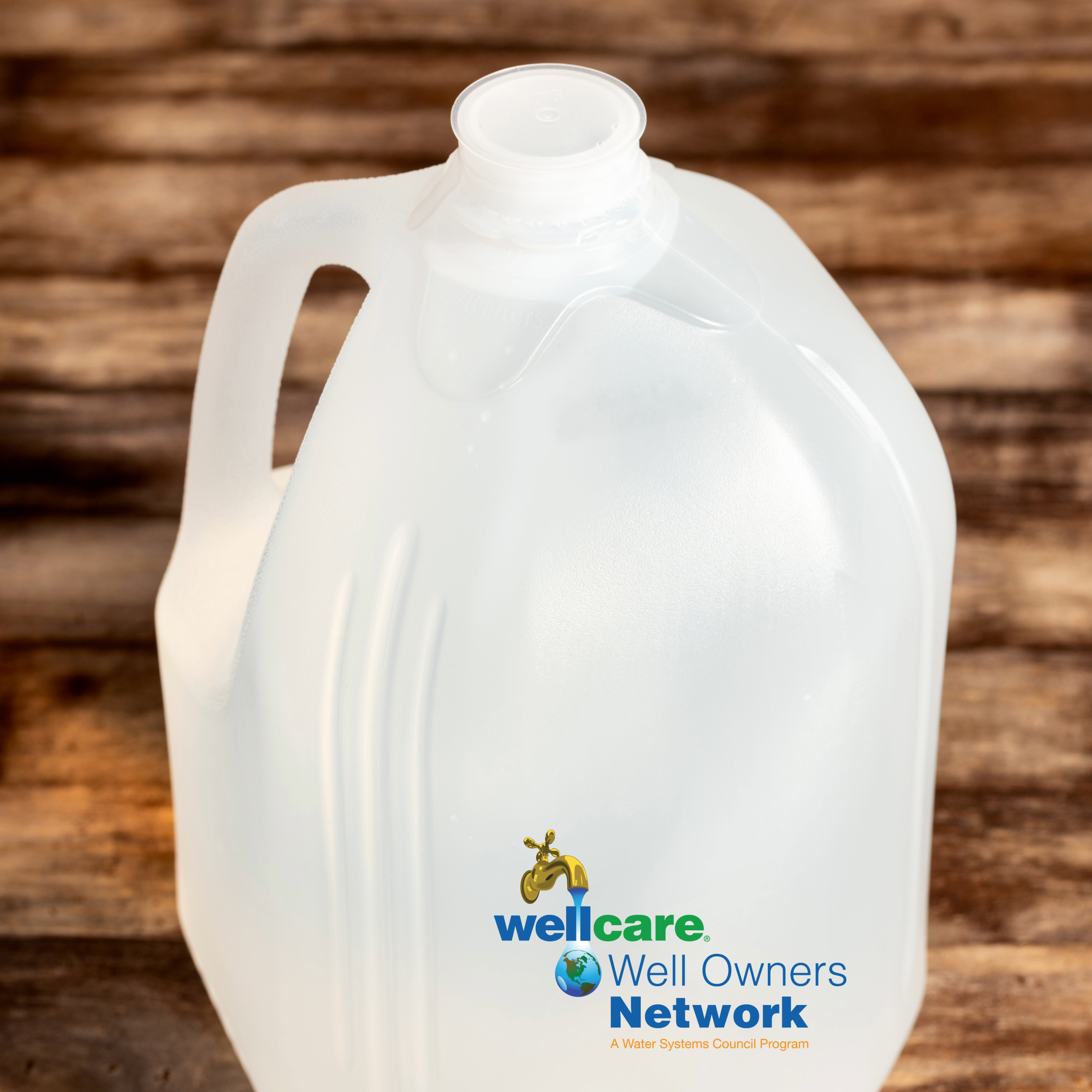
Most private wells rely on electricity, so losing power may also mean losing access to running water for drinking, cooking, cleaning, flushing toilets, and caring for pets or livestock. One of the simplest and most important things private well owners can do before a storm or power outage is fill clean containers with water while the well system is still operating normally.

Good water storage options include:

  • Food-grade water jugs
  • Clean pitchers or beverage dispensers
  • Bathtubs for sanitation water
  • Reusable water containers

Store drinking water separately from water intended for cleaning or flushing toilets to help protect your safe drinking water supply during emergencies. Drinking and cooking water should stay as clean and protected as possible, while water used for flushing toilets, cleaning, or washing does not need to meet the same standard. Separating them helps prevent accidentally using contaminated or lower-quality water for drinking and ensures the safe water supply lasts longer.

Emergency management agencies commonly recommend storing at least one gallon of water per person per day for several days. Be sure to include enough water for pets, livestock, medications, and other household needs. Even if you have a backup plan such as a generator, hand pump, or storage tank, keeping emergency drinking water on hand is still important.

Stored water should:

✔️ Be kept in clean, food-grade containers

✔️ Be stored away from chemicals or fuel

✔️ Be replaced periodically

✔️ Remain tightly sealed

Tip: Avoid storing water in containers that previously held chemicals, cleaners, or nonfood products.

Know Your Well & Septic System

Many homeowners do not think about their well or septic system until something goes wrong. Taking a few minutes now to understand both systems can make a difference during a storm or outage.

Take time this summer to:

✔️ Locate your pressure tank and well controls

✔️ Learn how to safely shut off power to the well

✔️ Know where your septic tank and drain field are located

✔️ Avoid driving, parking, or placing heavy items over the septic system area

✔️ Check your well cap for damage or loose fittings

✔️ Keep contractor and emergency contact numbers accessible

Heavy rain or flooding can place added stress on septic systems, so reducing water use during and immediately after storms can help prevent overload while conditions stabilize.

Reach out to your licensed well or septic professional or the wellcare® Hotline with any questions.